Paddles, Stems, and Trigger Stops: Inside the Quiet Arms Race in Your Controller
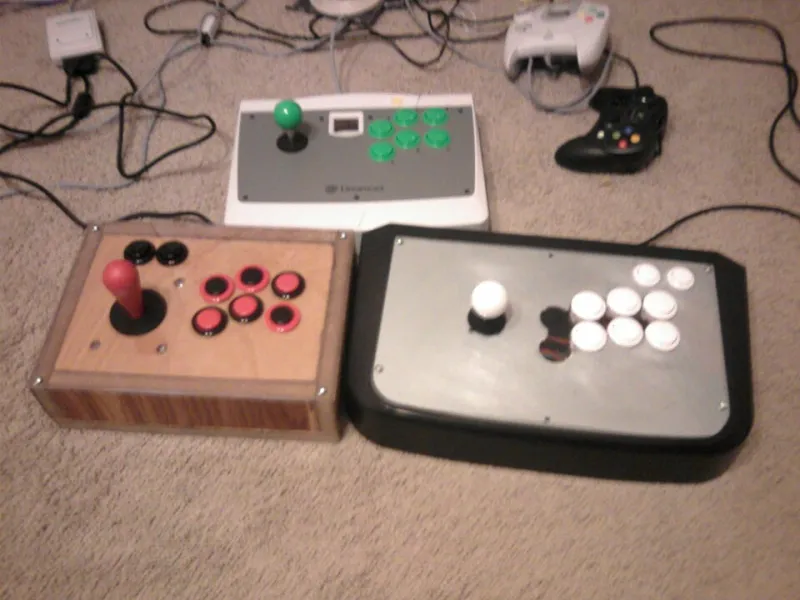
Photo: aznchristmas, CC BY-SA 3.0, via Wikimedia Commons
The Upgrade Nobody Talks About
Console gamers will drop $500 on a GPU-equivalent console and then play on the stock controller that came in the box. Meanwhile, the people actually winning your ranked lobbies? A growing number of them have modified their gamepads — legally, and often without spending much.
We talked to competitive players across fighting games, shooters, and sports titles to figure out which controller mods deliver real improvement and which are just expensive fidget toys. The short version: some of this stuff genuinely matters. Some of it is snake oil. Here's the breakdown.
What Actually Changes Your Gameplay
Back paddles/buttons. The near-unanimous pick for the single best mod. Paddles let you jump, crouch, or reload without lifting your thumb off the right stick — meaning you never stop aiming. In shooters especially, this is a legitimate mechanical advantage, not a placebo. Every competitive player we spoke to ranked this first.
Taller thumbsticks. Swapping to taller or domed stick tops increases your effective arc length, giving you finer aim adjustments at the edges of the stick's range. It's subtle, and it takes a week or two to adjust, but precision players (think long-range duels in shooters) tend to keep them once they've adapted.
Trigger stops. Small physical stops that cut down trigger travel so your shot registers faster. In games where milliseconds decide gunfights, this is real — but only if you're playing fast-twitch shooters. For RPGs and platformers? Skip it.
Grip tape and textured shells. Purely comfort, zero performance gain — but sweaty-palm players during a long ranked session will tell you comfort is performance.
What's Mostly Marketing
Adjustable stick tension, 'pro' polling rate claims on Bluetooth pads, and most RGB anything. None of it will hurt you, but if your budget is limited, that money goes further on paddles and sticks. Also worth saying plainly: mods won't fix fundamentals. If your positioning and game sense need work, no thumbstick saves you.
The Tiered Buying Guide
Under $30 — The Smart Starter. Swap-in tall thumbstick kits and trigger stop accessories work with your existing controller. Cheap, reversible, and a genuine taste of the difference. Great for testing whether mods suit you.
$60–$100 — The Sweet Spot. Mid-tier pro controllers with back buttons (several first-party-adjacent and third-party options fit here) plus a stick swap. This is where most competitive console players land, and honestly, where most of us should stop.
$150+ — The Full Custom Route. Fully modular pro controllers with adjustable everything, swappable stick modules, and profiles galore. Fantastic if you play competitively for hours weekly. Overkill if you don't.
One warning: check your game's ruleset before using rapid-fire or macro mods in tournament settings — those cross the line from hardware advantage into banned input scripting. Passive mods like paddles and trigger stops are broadly accepted everywhere.
The Bottom Line
The controller is the one piece of hardware that's in your hands every single second you play, and it's the one console gamers most often leave stock. You don't need to spend $200 to feel the difference. A set of taller sticks and back paddles — even on a budget — will change how you play more than most TV upgrades ever will.
Try the cheap route first. If you notice the difference, you'll know exactly where to spend next.