Your Home Screen Is Choosing Your Games For You
Photo: Evan-Amos, Public domain, via Wikimedia Commons
The First Five Seconds
Think about what happens when you turn on your console. You don't open a library. You don't browse a list. You land on a screen someone else designed, populated with games someone else chose, arranged in an order optimized for someone else's goals.
That first screen is the most valuable real estate in gaming, and every platform holder knows it. What gets shown there gets played. What gets buried doesn't. And if you've ever wondered why you keep launching the same three games while your wishlist gathers dust, your dashboard might be part of the reason.
How the Big Three Stack Up
PlayStation 5 leans hardest into editorial curation. The home row mixes your games with promotional tiles, and the storefront is never more than a click away. Sony's recommendations are genuinely good at surfacing big releases — but 'good at surfacing' means good at surfacing what Sony wants to sell. Indie gems and older titles you own can require actual digging to find.
Xbox Series X/S is the most library-forward of the bunch, with a recent games row that mostly behaves itself. But with Game Pass in the picture, the dashboard constantly nudges you toward the subscription catalog — which sounds generous until you realize 'you might like this' often means 'this needs engagement this month.'
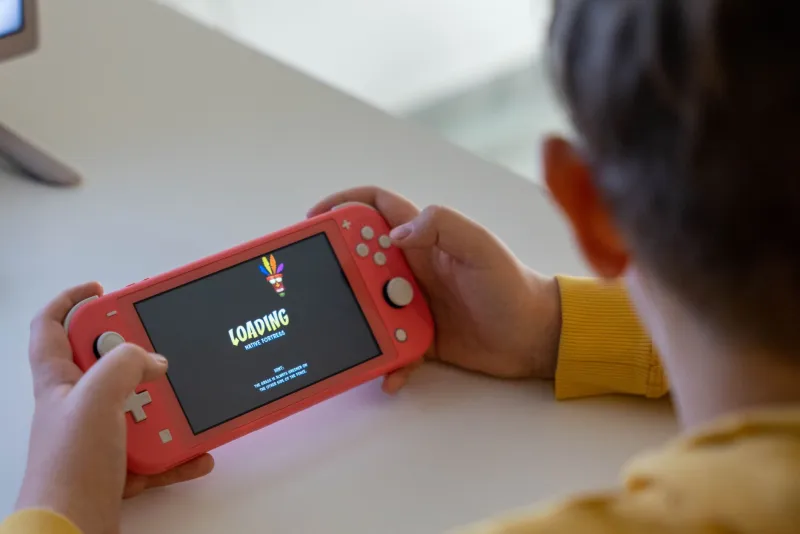
Nintendo Switch is the most honest and the most spartan. Your games, in the order you played them, and that's basically it. No algorithmic feed, minimal promotion. It's the least manipulative dashboard — and, not coincidentally, the one where it's easiest to just play what you own.
None of the three is evil. But none of them is neutral either. A dashboard is a storefront wearing a utility belt.
Why This Matters More Than You Think
Behavioral research on streaming and app stores has shown the same thing repeatedly: default placement drives an enormous share of choices. The games on your top row aren't there because they're your best options — they're there because placement sells. Over months and years, that quiet steering compounds. You play more of what's promoted, buy more of what's visible, and slowly forget the 40-game backlog that doesn't have a marketing budget.
Take the Wheel: Four Practical Moves
-
Pin your own row. All three consoles let you pin or favorite games. Curate a top row of games you actually want to finish this month, and make it your landing spot.
-
Boot to your library, not the feed. On Xbox especially, you can set the console to open on your game library rather than the home experience. Do it. It's the single highest-impact settings change on this list.
-
Keep a written backlog. Sounds low-tech, but a notes app list of your actual queue beats any algorithmic suggestion. When you finish a game, consult the list — not the top row.
-
Turn off notification-driven discovery. Those 'new in your store!' pop-ups exist to redirect you. Kill them and notice how much more intentionally you play.
The Opinion Part
Here's the take: the Switch's boring, dumb, list-of-games dashboard is the correct model. A console's home screen should serve the player's library, not the platform's storefront. The PS5 and Xbox dashboards are prettier and smarter — and that's exactly the problem.
You paid hundreds of dollars for this machine. The least it can do is open on your games, in your order, without a sales pitch. Spend ten minutes curating your home screen this week and see if it doesn't change what ends up in your 'recently played' by next month.