Why Your Controllers Keep Dying — And Who's Really to Blame
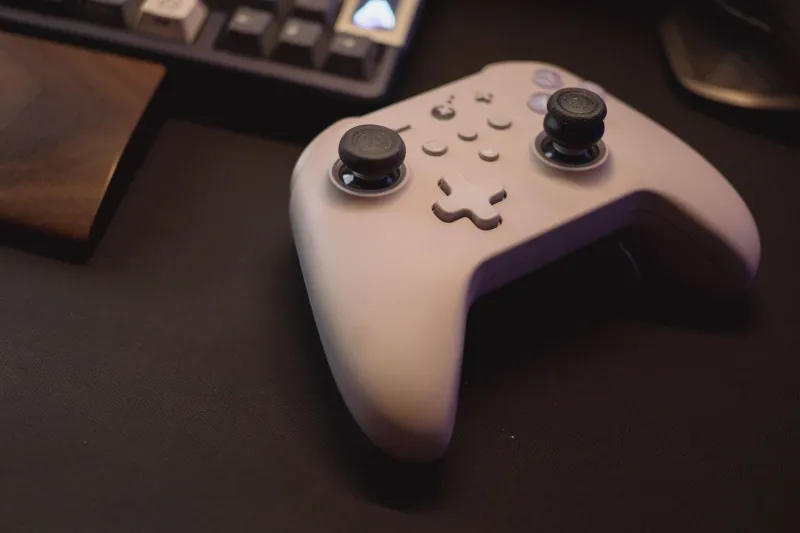
Let's be honest. At some point, you've looked at a controller that's seen better days — a drifting thumbstick, a shoulder button that clicks like it's working through something emotionally, a USB port that needs to be held at a 47-degree angle to charge — and just ordered a new one. No repair attempt, no warranty claim. Just resigned yourself to another $70 hit.
You're not alone. And that's exactly the problem.
American console gamers collectively spend hundreds of millions of dollars on replacement controllers every year, and a big chunk of that spending isn't driven by want — it's driven by necessity. Controllers are failing faster than they should, repair options are either expensive or intimidating, and the companies making this hardware have very little financial incentive to change any of it.
So let's break it all down.
The Lifespan Problem Nobody Officially Acknowledges
Sony, Microsoft, and Nintendo don't publish rated lifespans for their controllers. There's no official document telling you a DualSense should last X number of hours or that a Joy-Con's thumbstick is rated for Y million actuations. That omission is telling.
Third-party teardown analyses and repair communities have done the homework the manufacturers won't. The thumbstick potentiometers used in most modern controllers — including the DualSense and Xbox Series controllers — are widely regarded as a durability weak point. iFixit and similar repair-focused organizations have called out the Joy-Con drift issue specifically, noting that the components used are prone to wear and contamination over relatively short use periods.
For a peripheral that routinely costs $60 to $80 at retail, "relatively short" is a phrase that should make every gamer uncomfortable.
The Math That Makes Replacement Feel Smarter Than Repair
Here's where things get cynical fast. When a controller breaks down, most gamers face a repair cost that's almost impossible to justify against just buying new.
First-party repair services — when they exist at all — often charge $40 to $60 for common fixes like stick drift. Add shipping both ways, turnaround time, and the fact that you're without a controller for potentially two to three weeks, and suddenly that $69.99 replacement starts looking rational.
Local repair shops can sometimes do it cheaper, but controller repair requires specific parts and skills that not every shop stocks or offers. And if you're a casual gamer who doesn't want to spend a weekend watching iFixit tutorials and buying specialized screwdrivers, DIY repair is a non-starter.
The system, whether by design or convenient accident, funnels consumers toward purchasing new hardware. Every time.
Is This Actually Planned Obsolescence?
That term gets thrown around a lot, and it's worth being precise. Planned obsolescence in its most aggressive form means deliberately engineering products to fail. What's happening with controllers is arguably more subtle — and maybe harder to fix because of it.
It's less about intentional sabotage and more about a series of cost-cutting component choices, a repair ecosystem that was never built to scale, and a retail pricing model that makes replacement artificially accessible. When a new controller costs roughly the same as a quality repair, consumers will always default to new. Manufacturers know this. The incentive to invest in more durable components simply isn't there when the current setup keeps moving product.
The Nintendo Joy-Con drift lawsuit settlements — Nintendo agreed to refund Joy-Con repair fees in the US after significant consumer pressure — showed that these companies will respond when pushed hard enough. But it took years of complaints, viral coverage, and legal action to get there. That's a high bar for accountability.
Third-Party Controllers: Cheap Gamble or Underrated Option?
For years, third-party controllers had a bad reputation — laggy inputs, cheap plastics, no rumble support, and compatibility issues that made them feel like knockoffs. That reputation has shifted meaningfully in the last few years.
Brands like 8BitDo, PowerA, and Nacon have matured significantly. 8BitDo in particular has built a loyal following around controllers that are modular, repairable, and built with component quality that often outpaces official hardware. Their use of Hall effect sensors — a magnetic-based alternative to the potentiometer sticks that cause drift — is a direct answer to the durability problem that first-party manufacturers have largely ignored.
Hall effect sticks don't wear the same way traditional potentiometers do. They're used in industrial and automotive applications precisely because of their longevity. The fact that they're available in third-party controllers but not in official Xbox or PlayStation hardware is a gap that's hard to explain away on technical grounds.
For competitive or hardcore players who want official hardware, the Xbox Elite Series 2 controller does offer replaceable components and a more premium build — but at $180, it's a steep ask and still not immune to its own reliability complaints.
What You Can Actually Do Right Now
You don't have to wait for manufacturers to step up. Here's a practical playbook for getting more life out of your controllers and spending smarter when you do need a replacement.
Rotate your controllers. If you're gaming for long sessions, alternating between two controllers reduces wear on any single unit's components, especially the thumbsticks.
Clean your sticks regularly. A surprising amount of drift is caused by dust and debris getting into the stick mechanism. A small amount of compressed air around the base of the thumbstick every month or two can extend lifespan noticeably.
Look into Hall effect alternatives. If you're in the market for a new controller anyway, seriously consider 8BitDo's options for Xbox or PC. For PlayStation users, options are more limited but growing.
Learn the basics of stick replacement. Replacing thumbstick modules is one of the more beginner-friendly controller repairs. With a $15 toolkit from Amazon and a replacement module, you can fix drift yourself in under 30 minutes. YouTube has step-by-step guides for every major controller model.
Use your warranty. Both Sony and Microsoft offer limited warranties on their controllers. If yours fails within the covered period, use it — don't default to just buying a replacement.
The Bigger Picture
The controller durability problem isn't a niche enthusiast complaint. It's a mainstream consumer issue that affects millions of households. With gaming now a dominant form of entertainment in the US, the hardware that makes it work deserves the same scrutiny we'd apply to any other consumer electronics purchase.
Until manufacturers feel real financial or regulatory pressure to build more durable hardware and support a legitimate repair ecosystem, the burden falls on us as consumers to be smarter about what we buy, how we maintain it, and when we push back.
Your controller shouldn't feel disposable. Don't let the industry convince you it has to be.