The Platinum Tax: What Chasing 100% Completion Is Really Draining From Your Wallet
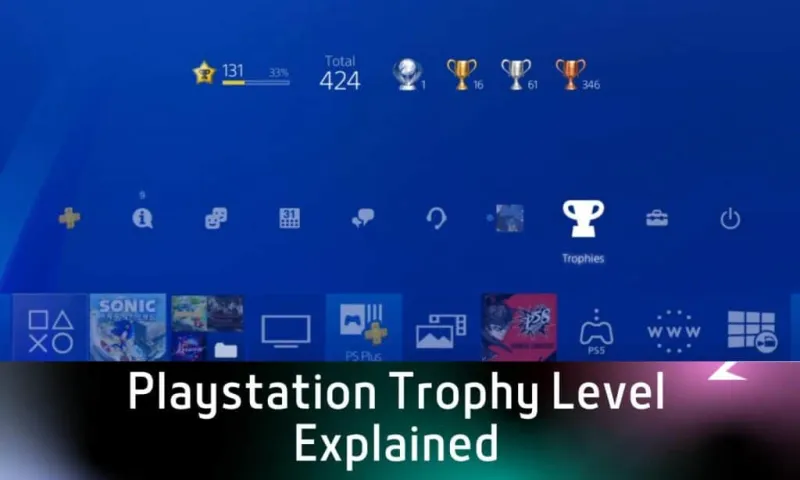
Photo: playstation trophy achievement screen console gaming, via avidachievers.com
The Receipt Nobody Shows You
There's a moment every completionist knows. You've sunk 65 hours into an open-world game, the credits rolled 40 hours ago, and the map is still littered with question marks. The platinum trophy sits there, taunting you. So you buy the $25 expansion pack that adds 15 more hours of content — content you'd skip entirely if you were just, you know, playing the game.
Congratulations. You just paid a premium to spend more time on a game you've technically already finished.
We're calling it the Platinum Tax: the extra money and hours you spend chasing 100% completion, long after the game has given you everything it reasonably should. And in 2024's era of bloated open-worlds and endless live-service seasons, that tax has never been higher.
Where the Money Actually Goes
The Platinum Tax isn't one charge — it's a stack of small ones:
DLC you didn't want. Publishers know completionists are the most reliable spenders in gaming. That's why collectibles, side quests, and trophy lists often weave directly into expansion content. If you want the full trophy list, you're buying the season pass. That's not an accident; it's a design decision.
Time as currency. Let's be honest about the exchange rate. The average AAA open-world game demands 70-100 hours for a true 100% run. At even a modest $20/hour value of your free time, that's a four-figure investment in a $70 game. Nobody's saying your leisure time needs an ROI, but it's worth asking whether collectathon number 400 is how you want to spend a weekend.
The live-service trap. Battle passes and rotating challenges are built on the same completionist wiring. Miss a season, lose the cosmetics forever. The fear of an incomplete collection — even a digital one — is the entire business model.
Not Every Trophy List Is a Trap
Here's the nuance: some games genuinely reward the full run. A tight 12-hour indie where the 100% run reveals extra story beats? That's earned completion. A masterpiece where the side content is the best part? Go wild.
The problem isn't completionism itself — it's completionism applied indiscriminately, to games designed by committee to maximize engagement metrics rather than deliver a satisfying whole.
A Quick Framework: The Three-Question Test
Before you commit to a 100% run, ask yourself:
- Would I do this if there were no trophy attached? If the answer is no, the achievement is an engagement trap, not an experience.
- Does this list require additional purchases? If 100% completion is gated behind a $30 DLC, the publisher has turned your hobby into a subscription.
- How old will this game feel in six months? Grinding a dead game's multiplayer trophies for a list nobody will ever see is the definition of diminishing returns.
If a game fails two or more, play the story, roll credits, and move on with zero guilt. The trophy list will still be there if you ever circle back.
Reclaim Your Backlog
The average US gamer's backlog keeps growing while completion rates keep shrinking — precisely because games keep getting longer. The most liberating move in modern console gaming isn't a new TV or a faster SSD. It's giving yourself permission to stop at 'done' instead of 'complete.'
The platinum will still be shiny. But so is the pile of unplayed games you've been ignoring while hunting feathers in a map you've already saved three times.
Play what's fun. Skip what's filler. Your wallet — and your backlog — will thank you.