Can We All Just Play Together? The Real State of Cross-Platform Gaming Right Now

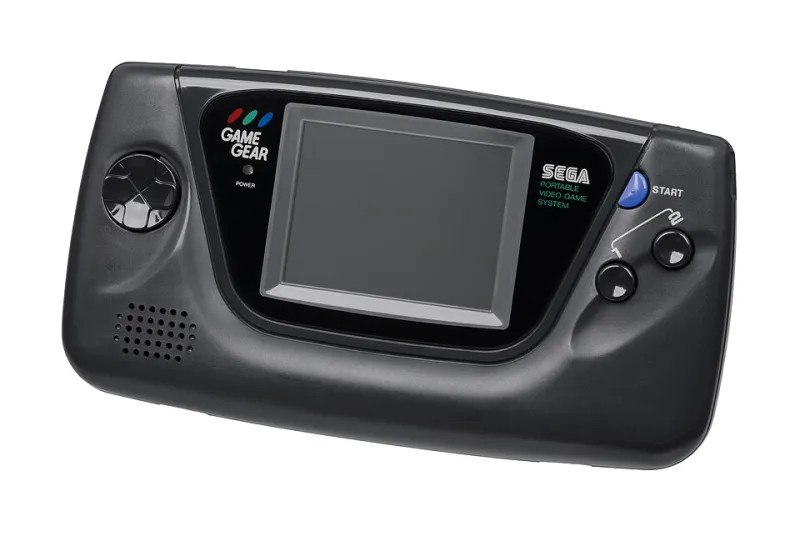
Photo: Lyncconf Games, CC BY-SA 4.0, via Wikimedia Commons
Picture this: you're hyped to jump into a multiplayer session with your college roommate. You're on PS5. He's on Xbox. Your sister's on Switch. You fire up what you think is a cross-play-supported game and immediately hit a wall — different servers, different lobbies, no way to connect. Sound familiar?
Cross-platform play has been one of the most talked-about quality-of-life improvements in gaming over the last several years, and while we've made real progress, the situation in 2024 is still messier than most people realize. Some games do it seamlessly. Others lock you behind platform walls for reasons that have nothing to do with technology. And plenty more fall somewhere in the middle — technically supporting cross-play but doing it so poorly that it barely counts.
Let's break it all down.
What Cross-Play Actually Means (And What It Doesn't)
First, a quick vocabulary check, because the industry loves to blur these lines.
Cross-play means players on different consoles (and sometimes PC) can play together in the same multiplayer session. Cross-progression means your save data, unlocks, and progress carry over if you switch platforms. Cross-buy means purchasing a game on one platform gives you access on another. These are three separate things, and a game having one doesn't mean it has the others.
When your friend says a game "has cross-play," make sure you're both talking about the same thing. A lot of frustration comes from assuming these features are bundled together when they rarely are.
The Games That Actually Get It Right
The good news: some of the most-played multiplayer titles in the US handle cross-play well.
Fortnite remains the gold standard. Epic Games pushed hard for cross-play across PS5, Xbox Series X/S, Switch, and PC, and they've maintained it consistently. Friends lists work across platforms, and you can squad up without friction. Given that Fortnite is still one of the most-played games in the country, this matters.
Call of Duty: Modern Warfare III / Warzone supports cross-play across PlayStation, Xbox, and PC. It's on by default, which is the right call — the player population stays healthier, and matchmaking is faster. You can turn it off if you want to avoid PC players (a common complaint among console users concerned about aim-assist discrepancies), which is a nice touch.
Minecraft has had robust cross-play for years across nearly every platform, including Switch, which is impressive given Nintendo's historically closed ecosystem. If you're playing the Bedrock Edition, you're good to go.
Rocket League went free-to-play in 2020 and has supported full cross-platform play ever since. It's one of the smoothest implementations out there — you can add friends by username regardless of platform and jump into matches without any extra steps.
Apex Legends supports cross-play on consoles and PC, though cross-progression took a while to arrive and still has some quirks depending on how long you've been playing.
The Games That Still Haven't Figured It Out
Here's where things get frustrating. Several high-profile multiplayer games either limit cross-play or don't support it at all — and the reasons are more business-driven than technical.
GTA Online is a notable holdout for full cross-play. Despite Rockstar having the resources to implement it, PS5 and Xbox players remain on separate servers. This is a deliberate choice, not a technical limitation, and it fragments one of the most popular online communities in gaming.
MLB The Show has cross-play within console families (PS4/PS5 together, Xbox One/Series X together) but not between PlayStation and Xbox, which is particularly ironic given that the game is published by Sony yet also released on Xbox.
Final Fantasy XIV supports cross-play between PC and PS5 but leaves Xbox players on their own server infrastructure, which limits community cohesion for one of the most popular MMOs in the US.
Why Does This Fragmentation Still Exist?
The short answer: money and control.
Platform holders — Sony, Microsoft, Nintendo — have historically been reluctant to open their walls because keeping players on a single ecosystem drives hardware sales, subscription revenue (PS Plus, Game Pass), and platform-exclusive spending. If your whole friend group is on PlayStation, you're more likely to stay on PlayStation.
Epic's legal battle with Apple actually surfaced a lot of internal gaming industry communication that confirmed what most players suspected: Sony, in particular, charged licensing fees for cross-play access for a period of time, and negotiations around cross-play support have been tied to revenue-sharing agreements. Microsoft has been the most vocal advocate for cross-play among the big three, largely because their smaller install base gives them more incentive to break down walls.
Nintendo presents a different kind of challenge. Their infrastructure for online play has always lagged behind PlayStation and Xbox, and Nintendo Switch Online remains a less robust service. Cross-play on Switch tends to be game-by-game rather than platform-wide.
How to Actually Navigate This as a Player
So what do you do with all this information? Here are some practical tips.
Check before you buy. Sites like crossplaycheck.com and individual game pages on console stores will tell you upfront whether a game supports cross-play. Don't assume — verify.
Turn off cross-play selectively. If you're playing a competitive shooter and you're tired of getting eliminated by PC players using a mouse and keyboard, most games that support cross-play also let you disable it. You'll likely wait longer in matchmaking, but it's an option.
Use Discord as your common ground. Even when games don't support cross-platform friend lists natively, Discord's voice chat works across every device. It won't let you play together, but it'll keep you connected while you're on separate servers.
Prioritize games with cross-progression if you game on multiple platforms. If you own both a PS5 and a gaming PC, or you're considering a Switch for portable play, games with cross-progression let you maintain a single account across devices. Fortnite, Warzone, and Apex Legends all support this to varying degrees.
Where Things Are Headed
The trajectory is positive, even if progress is slow. Consumer pressure, regulatory scrutiny in Europe, and the competitive dynamics between platforms are all nudging the industry toward more openness. Microsoft's acquisition of Activision Blizzard brought renewed attention to cross-play commitments as part of regulatory approvals. And as gaming becomes more social and community-driven, the cost of keeping players siloed becomes harder to justify.
For now, though, it's a mixed bag. The best thing you can do is stay informed, check your games before committing, and advocate for cross-play support when developers and publishers ask for feedback. The more players make noise about it, the faster things change.
And hey — in the meantime, at least Fortnite works.