Battle of the Back Catalogs: PS5 vs. Xbox Series X/S vs. Nintendo Switch — Which Console Respects Your Old Games?
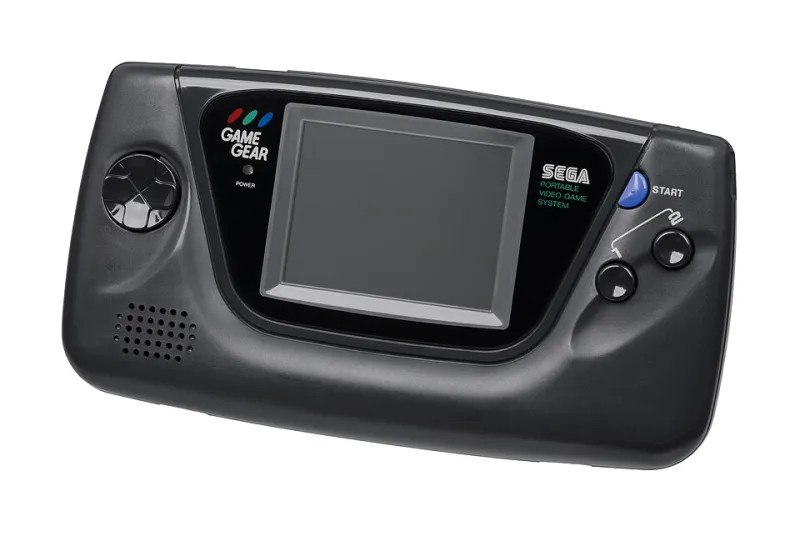
Photo: Evan-Amos, Public domain, via Wikimedia Commons
There's something genuinely painful about upgrading to a new console and staring at a shelf full of games you can no longer play. Whether it's a stack of Xbox One discs, a PS4 library you've been building since college, or a Nintendo 3DS collection gathering dust, backwards compatibility has quietly become one of the most important battlegrounds in the console wars. So let's cut through the marketing fluff and get into the real details of how each platform handles your legacy library.
PlayStation 5: Almost There, But With Asterisks
Sony made some noise when it announced that the PS5 would support the "overwhelming majority" of PS4 titles at launch — and to be fair, that's mostly true. Over 4,000 PS4 games are playable on PS5, and many of them run noticeably better thanks to the console's Game Boost feature. Faster load times, smoother frame rates, and more stable resolution are all on the table for compatible titles, even without a dedicated patch from the developer.
But here's where Sony pumps the brakes: PS3, PS2, and original PlayStation games are essentially off the table unless you subscribe to PlayStation Plus Premium. That tiered subscription service offers a rotating cloud-streaming library and a modest selection of classic titles available for download, but it's nowhere near a comprehensive archive. Want to replay Shadow of the Colossus on PS2? You'll either need to find a workaround or pay for Plus Premium and hope it's in the catalog that month.
The PS5 also takes full advantage of its DualSense controller for certain backwards-compatible titles, adding haptic feedback and adaptive trigger support through developer updates. Games like Ghost of Tsushima and God of War received free PS5 upgrades that feel like entirely new experiences. That's a genuine win. Just don't expect that treatment across the board — plenty of older titles run fine but feel untouched.
Bottom line for PS4 owners: You're in great shape. For anything older, you're looking at a subscription paywall with limited options.
Xbox Series X/S: The Gold Standard (And It's Not Even Close)
Microsoft has been playing the long game on backwards compatibility, and it shows. The Xbox Series X and Series S support games going all the way back to the original Xbox — yes, the big black brick from 2001. That means your Xbox 360 library, your Xbox One collection, and even select original Xbox titles are all fair game. We're talking thousands of titles spanning more than two decades.
But Microsoft didn't stop at just "it works." The Auto HDR feature automatically applies high dynamic range lighting to older games that were never designed for it, and FPS Boost can double or even quadruple the frame rate of select titles. Playing Fallout 4 at a locked 60fps or experiencing Far Cry 4 with Auto HDR on a modern TV? That's the kind of upgrade that makes your old library feel genuinely fresh.
Game Pass integration makes this even more compelling. Hundreds of backwards-compatible titles are included in the Game Pass library, meaning you might already have access to classics you forgot you wanted to revisit. And if you own the disc versions of older Xbox games, you can pop them right in — no re-purchase required.
The Series S does have one notable limitation: it lacks a disc drive entirely. If your back catalog lives on physical media, you're out of luck unless you go Series X. Keep that in mind before you grab the cheaper option.
Bottom line for Xbox owners: This is the most complete backwards compatibility solution available right now. If preserving your game history matters to you, Xbox wins this round handily.
Nintendo Switch: A Different Kind of Legacy Play
Nintendo takes a philosophically different approach to backwards compatibility, and it's worth understanding before you get frustrated. The Switch does not play Wii U, Wii, DS, or 3DS games natively. Full stop. Nintendo has never really prioritized traditional backwards compatibility the way Microsoft has, and the Switch is no exception.
What Nintendo offers instead is the Nintendo Switch Online service, which includes expanding libraries of NES, SNES, Nintendo 64, Game Boy, Game Boy Advance, and Sega Genesis titles for subscribers. The Expansion Pack tier adds N64 and GBA games, along with select Nintendo DS titles. It's a curated retro experience rather than a true back catalog solution — think of it like a Netflix for classic Nintendo games rather than a compatibility layer.
The upside? These classic titles often include online multiplayer support and save states, which is genuinely cool. Playing The Legend of Zelda: A Link to the Past with a friend online through Switch Online is a nice touch. But if you own a physical copy of a Wii game or a 3DS cartridge, there's no path to playing it on Switch.
For gamers who skipped the Wii U — which, let's be honest, was most people — the Switch has done a solid job of porting the best of that library. Mario Kart 8 Deluxe, Pikmin 3 Deluxe, and Donkey Kong Country: Tropical Freeze are all available. It's not backwards compatibility in the traditional sense, but it serves a similar purpose.
Bottom line for Nintendo fans: If you want to play your old cartridges, Switch isn't your answer. But as a retro gaming platform through NSO, it has serious charm.
So Which Console Actually Wins?
If raw backwards compatibility is your priority — if you want to plug in old discs, fire up digital purchases, and play games from multiple console generations — Xbox Series X is the clear winner. Microsoft has invested more in this space than anyone else, and it shows in both breadth and polish.
For PS4-heavy gamers upgrading to PS5, the transition is smooth and the performance improvements are real. Just don't expect Sony to help you travel further back in time without pulling out your wallet for Plus Premium.
Nintendo Switch is a special case. It's not trying to be a backwards compatibility powerhouse — it's carving its own path with a curated retro library and a massive library of modern exclusives. If you're okay with that trade-off, it's easy to love.
The real takeaway? Before you sell off your old console, think hard about what you'd be leaving behind. Your game collection has value, and the platform you choose to upgrade to should respect that.